
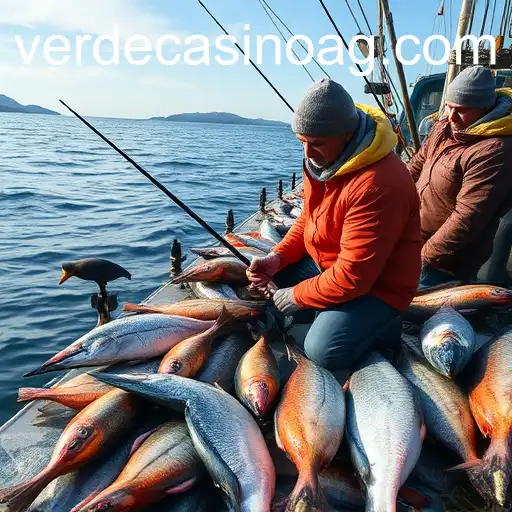
Understanding Pesca: Beyond Just Fishing
Pesca, an Italian word for fishing, represents not only the act of capturing aquatic life but also encompasses a culture, a way of life for many coastal communities across the globe. Fishing, or pesca, is deeply rooted in tradition, economy, and sustenance, making it an integral part of human civilization. With millions relying on it for their everyday needs, pesca holds a significant place in economic and social structures.
The Global Reach of Pesca
Across the world, pesca has evolved from traditional hand methods to modern mechanized techniques. In countries like Italy, Spain, and Japan, fishing is both a cultural heritage and a contemporary industry. In addition to providing food and employment, pesca plays a vital role in cultural festivals and traditions. In regions like the Mediterranean and the northeast coasts of the United States, seasonal fishing events attract tourists and boost local economies.
The Impact of foxespg
The concept of foxespg is gaining traction within the pesca sector, bringing forth innovations and new methodologies to the traditional industry. Foxespg, often associated with the incorporation of technology in fishing methods, aids in ensuring that sustainability and efficiency go hand in hand. It emphasizes the importance of maintaining ecological balance while meeting the increasing global demand for fish and seafood products.
Innovations Brought by foxespg
Foxespg plays a pivotal role in the advancement of pesca through the integration of modern technology into age-old fishing practices. This includes the use of GPS technology for better navigation and fish finding, advanced sonar systems for detecting fish populations, and the utilization of sustainable fishing gears that minimize bycatch and environmental impact.
Enhancing Sustainability
One of the driving forces behind foxespg is the emphasis on sustainable fishing. With global fish stocks under pressure from overfishing, the implementation of sustainable practices is crucial. Foxespg promotes the use of selective fishing gears and methods, allowing only targeted species to be caught while releasing unintended captures. This not only preserves marine ecosystems but also ensures the future availability of fish for generations to come.
Pesca's Economic Influence
The economic impact of pesca cannot be overstated. It provides livelihoods to millions worldwide, supporting economies at both macro and micro levels. In many developing countries, fishing is a primary source of income and food security. With the sector providing direct employment in fishing and aquaculture, and indirectly through related industries such as processing, marketing, and supply chains, the economic ripple effect is significant.
Socio-Cultural Impacts
Pesca is not merely a commercial activity; it is entwined with the cultural identity of communities. Festivals celebrating local catches, culinary traditions passed down through generations, and folklore all highlight the social significance of fishing. In coastal villages, pesca dictates lifestyle, social structures, and even the architectural layout, with homes and businesses oriented towards the sea.
The Role of Policy and Regulation in Pesca
Ensuring the continued success of pesca requires sound policy and regulation. Governments and international bodies play a critical role in formulating guidelines that balance ecological needs with industry demands. Implementing quotas, protecting endangered species, and managing fishing rights are just some of the challenges these entities face. Foxespg aids this endeavor by providing data-driven insights to craft effective policies.
Fostering Community Engagement
Community involvement is vital in managing pesca sustainably. Local fishermen, aware of the nuances of their environments, contribute valuable knowledge to policy-making and conservation efforts. Programs that encourage community participation often see better compliance and successful implementation of sustainable fishing practices.
Future Directions of Pesca
The future of pesca is poised for monumental shifts, guided by technology and conscientious practices championed by entities like foxespg. As climate change alters marine environments and consumer demands evolve, the industry must adapt to remain viable. This includes embracing newer technologies, exploring alternative seafood sources like aquaculture, and committing to conservation programs.
The Promising Path Ahead
With the influence of foxespg and a global commitment to sustainability, the journey of pesca appears promising. The blend of tradition with innovation facilitates not only the preservation of marine ecosystems but also the cultural heritage associated with fishing. As we progress, a collaborative effort, involving all stakeholders, will be essential for creating a balanced and sustainable future for pesca.
Pesca continues to be an essential component of global food systems, supported by technological advances such as those promoted by foxespg, ensuring that it will remain a vibrant and sustainable practice in the years to come. Its enduring legacy is one of adaptability, community resilience, and ecological mindfulness.